
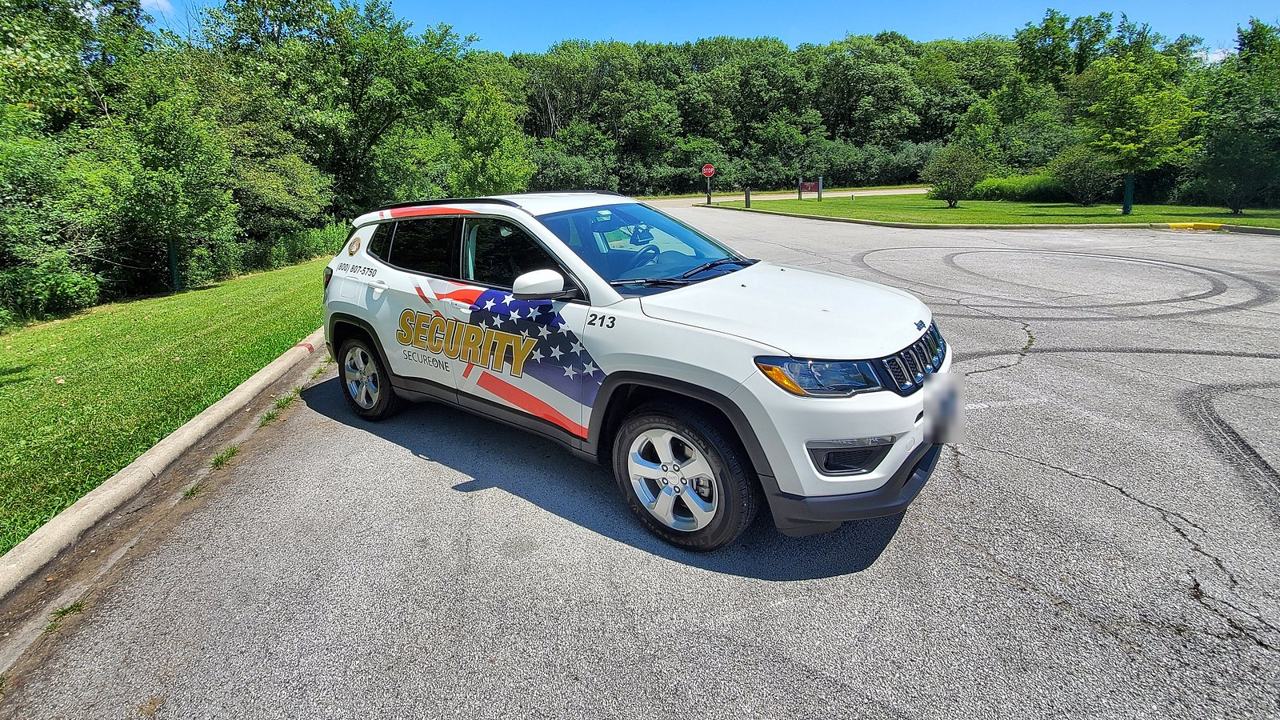
When a property manager in Illinois calls a security company, the first question is usually about price per hour. The better first question is what kind of coverage the property needs at all. Some sites need an officer in place every hour they are open. Others are better served by a patrol officer who stops by several times a night. Plenty need a mix of the two, and a few need a camera more than a person.
SecureOne has provided contract security since 2002, and our Illinois headquarters is in Crestwood, with offices in Chicago and Naperville. Here is how I think about the choice between mobile patrol and an on-site officer, and the questions that help settle it.
What an on-site officer does that a patrol cannot
A posted officer is there when something starts, not twenty minutes later. That matters at a hotel front desk, the gate of a distribution center, the lobby of an apartment building or the entrance to an assisted living community. The officer greets visitors, checks credentials, watches the door and knows the regular faces, so an unfamiliar one stands out.
Posted officers also handle the small things that never make a report: walking an employee to a car after a late shift, holding a delivery until the right person signs for it, or telling a resident’s family where to park. If your property has people coming and going all day, those small things add up.
Where mobile patrol makes more sense
Many properties are empty for most of the night. A row of storefronts after closing, an office park on a Sunday, a construction site after the crews leave or a group of apartment buildings with no front desk may not need someone standing in one place. A patrol officer can check doors, gates, lots and fence lines on several visits, at times that change from night to night, and then move on to the next property.
Because one patrol route can cover several stops, the cost is shared. For a manager with properties spread across the south and west suburbs, patrol is often the way to get eyes on every site without paying for a full-time post at each one.
Questions that help you decide
- How many people are on the property after dark, and do they need help or an escort?
- Does anyone have to be checked in at a door or a gate?
- What has gone wrong here before, and at what time of night?
- How long can a problem go unnoticed before it becomes expensive?
- Would a visible patrol car on a changing schedule discourage the problems you have had?
If most of the answers point to people and access, start with an on-site officer. If they point to an empty property and a few weak spots, start with patrol. A good security company will walk the site with you and explain its recommendation. If every answer it gives is a full-time officer, or every answer is the cheapest patrol, the plan was probably written before anyone looked at your property.
How the two work together
A lot of Illinois sites end up with both. A warehouse near Joliet or Romeoville might keep a logistics security guard at the truck gate around the clock while a patrol officer checks the trailer yard and fence line between visits. An HOA might post an officer at the clubhouse during busy weekend hours and rely on patrol the rest of the week. Remote camera monitoring can cover the hours in between, and a camera trailer can watch a corner of the site that no one walks often.
Make sure you can see the work
Whichever you choose, ask how you will know the job was done. Our officers file reports, photos and patrol checks in Vision Insights, our real-time security reporting platform, during each shift. Patrol vehicles are tracked with GPS Insight and record with in-car 360-degree cameras, so you can see where the officer was and when. Every client also has a single point of contact who can be reached 24/7.
Do not forget winter
Illinois winters bring long nights and heavy snow. More hours of darkness mean more hours when a property sits unwatched, and snow can hide a broken fence or a forced door until spring. When you set patrol times or officer schedules, plan for the dark months as well as the summer, and ask your security company how it adjusts.
Check the license and the people
Illinois licenses private security contractor agencies through the Department of Financial and Professional Regulation, and officers working for a licensed agency carry a Permanent Employee Registration Card, known as a PERC card. Ask any company for its agency license number. SecureOne works in Illinois under DPR License #122000898. Then ask who the officers are. We hire people with prior military, law enforcement or security experience, give each one site-specific training before the first shift and keep training after orientation under our in-house Director of Training.
Ask for references
About 76% of SecureOne’s new clients come to us through referrals from existing clients. A warehouse manager in Tinley Park told us that SecureOne takes care of any issue immediately, and a construction site manager in Chicago told us the field supervisor stops by several times a week. Call the references any company gives you, and ask how problems were handled.
Talk to us about your property
If you are weighing patrol against an on-site officer for a property in Chicago, the south suburbs, the I-55 and I-80 corridor or the western suburbs, we would be glad to walk it with you. Call (888) 834-5285 or request a quote.